
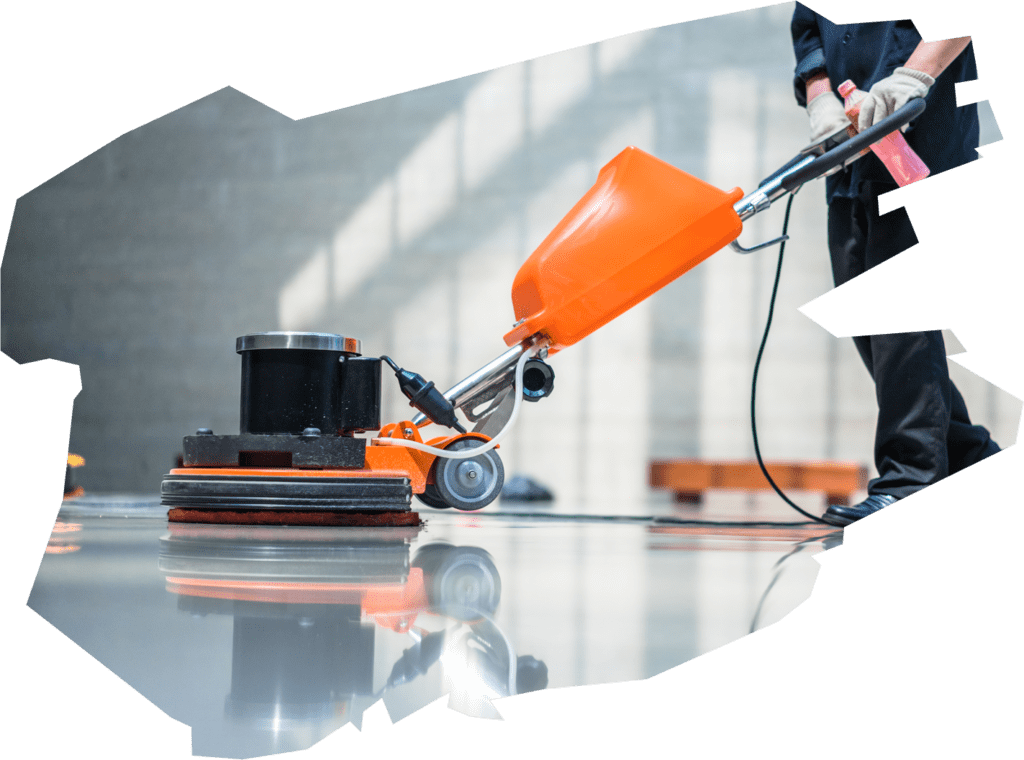
Property cleaning is based on two complementary forms of cleaning that differ in scope and frequency of implementation. Regular maintenance cleaning ensures daily cleanliness, removes visible dirt, and keeps spaces continuously in working condition. Deep cleaning, on the other hand, is performed less frequently and is a more thorough procedure that extends deeper than surface level and covers areas not addressed in normal maintenance cleaning. A good understanding of these cleaning forms helps build an efficient and cost-effective cleaning strategy.
What does maintenance cleaning mean?
Maintenance cleaning is regular cleaning, often performed daily or weekly, aimed at maintaining the daily cleanliness level and comfort of spaces. It focuses particularly on removing visible dirt and dust and maintaining hygiene levels in occupied spaces. Thanks to maintenance cleaning, spaces remain continuously pleasant and presentable for their users.
Typically, maintenance cleaning includes vacuuming and mopping floors, wiping contact surfaces, removing dust, cleaning sanitary facilities, and emptying trash. The frequency of these basic procedures varies according to the purpose and number of users of the space. For example, in offices, maintenance cleaning can be performed 2-5 times per week, while in healthcare facilities it’s done daily or even more frequently.
The key areas of maintenance cleaning vary by space type. In offices, the cleanliness of workstations and common areas is emphasized, while in public spaces, the cleanliness of sanitary facilities and the flawless condition of floor surfaces are highlighted. In commercial spaces, it’s important to consider the representative appearance of entrances and customer areas.
What does deep cleaning mean?
Deep cleaning is a less frequently performed, thorough cleaning procedure that extends deeper than maintenance cleaning. Its goal is to restore surfaces to their original cleanliness level and remove dirt that doesn’t come off during normal maintenance cleaning. Deep cleaning covers all surfaces and structures in the space from floor to ceiling.
Deep cleaning includes special procedures such as thorough floor cleaning and protection, wiping wall and ceiling surfaces, window washing, light fixture cleaning, thorough furniture cleaning, and treatment of hard-to-reach areas. Cleaning air vents and moving furniture for cleaning purposes are also typical deep cleaning procedures.
Deep cleaning is usually performed less frequently, for example once or twice a year, depending on the usage level and rate of soiling of the space. Often deep cleaning is done during quieter periods, such as company vacation seasons or weekends, so that it causes as little disruption as possible to the normal use of the space.
How often should deep cleaning be done?
The optimal frequency of deep cleaning depends significantly on the type and usage level of the property. In office spaces, deep cleaning is usually needed once or twice a year, while in high-hygiene facilities, such as healthcare premises, deep cleaning may be implemented quarterly. In schools and educational institutions, deep cleaning is typically scheduled during vacation periods.
Key factors affecting the need for deep cleaning include the number of space users, purpose of use, and quality of maintenance cleaning. Heavily trafficked spaces, such as shopping centers or public buildings, require more frequent deep cleaning than spaces with less usage. Seasons also have an impact: for example, in winter, sand and salts increase the need for basic floor cleaning.
Regular condition assessment helps determine the right timing for deep cleaning. When maintenance cleaning is no longer sufficient to maintain the desired cleanliness level or accumulated dirt is visible on surfaces, it’s time for deep cleaning.
Which tasks belong to maintenance cleaning and which to deep cleaning?
Maintenance cleaning includes daily or weekly recurring basic procedures, such as vacuuming and mopping floors, wiping contact surfaces, cleaning sanitary facilities, emptying trash cans, and removing visible stains. These procedures keep the space continuously clean and usable.
Deep cleaning, on the other hand, includes less frequently performed, more labor-intensive procedures:
- Thorough floor cleaning, waxing, and protection
- Window and glass surface washing
- Light fixture cleaning
- Wiping wall and ceiling surfaces
- Air vent cleaning
- Moving furniture and cleaning underneath
- Thorough cleaning of textile surfaces
Special procedures for different spaces vary. For example, in offices, deep cleaning often includes cleaning the exterior surfaces of electrical equipment and washing office chairs, while in kitchen areas, the backs of refrigerators and in industrial spaces, the areas around machines require special attention during deep cleaning.
How do the costs of maintenance and deep cleaning differ?
Maintenance cleaning and deep cleaning differ significantly in their cost structure. Maintenance cleaning is regular and recurring, so it’s typically paid for with a fixed monthly fee based on the number of cleaning sessions and the size of the space. Costs are distributed evenly throughout the year, which facilitates budgeting.
Deep cleaning, on the other hand, is a one-time, more thorough procedure that is often priced separately either per square meter or by working hours. Deep cleaning costs are larger as individual sums, but since they are performed less frequently, the annual cost is smaller than maintenance cleaning.
Effective budgeting of cleaning services requires considering both regular maintenance cleaning costs and less frequent deep cleaning costs. From a cost-effectiveness perspective, it’s sensible to create an annual plan where deep cleaning procedures are scheduled appropriately for different seasons.
Should cleaning services be outsourced or handled in-house?
Outsourcing cleaning services offers many advantages compared to using your own staff. Professional cleaning ensures consistent quality results, up-to-date methods, and efficient working practices. When outsourcing, you don’t need to worry about substitute arrangements, purchasing equipment, or storing cleaning supplies.
Using your own staff for cleaning can offer flexibility and immediate responsiveness to unexpected situations. It can also be cost-effective in small facilities where cleaning needs are limited.
Hiring professionals is particularly sensible:
- When dealing with a large or diverse property
- When specialized expertise is needed (e.g., healthcare facilities)
- When you want to ensure consistent quality and systematic implementation
- When you want to free up your own staff’s time for core activities
Outsourcing also enables clear cost tracking, as you pay an agreed price for the cleaning service without hidden costs.
The most important benefits of cleaning services for properties
Regular and quality cleaning maintains the property’s condition and extends its lifespan. When dirt doesn’t get embedded in structures, expensive repair needs and premature wear of surface materials are avoided. Particularly the lifespan of flooring materials and sanitary fixtures is significantly extended with proper maintenance.
Clean spaces also promote users’ health and well-being. Regular dust removal and surface disinfection reduce illnesses and allergic reactions. A clean work environment increases comfort and work efficiency and communicates care to both staff and visitors.
When creating a functional cleaning plan, it’s worth considering the purpose of the spaces, number of users, and special needs. The plan should define both the frequency of maintenance cleaning and the timing of deep cleaning in the annual calendar.
When selecting professionals, it’s important to pay attention to experience, methods used, and flexibility. We at Aton offer customized cleaning services that combine efficient maintenance cleaning and thorough deep cleaning according to your property’s needs. With our expertise and professional skills, we keep your spaces presentable and functional every day of the year.